

By Amir Asraf Lee
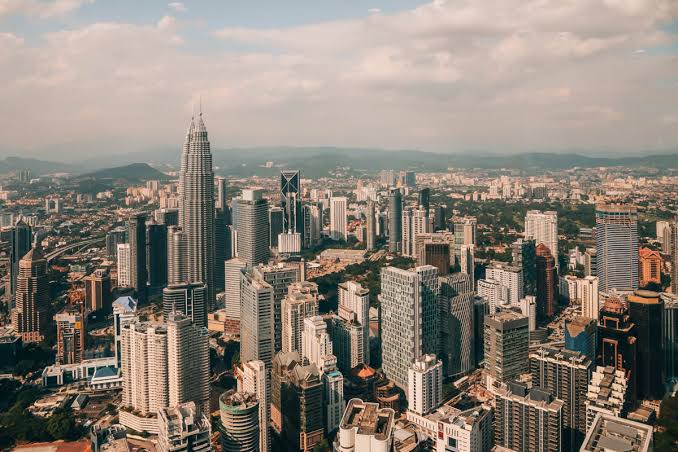
F1 is back in Malaysia this weekend and Visit Malaysia 2026 is in full swing. Meanwhile, the Kuala Lumpur Golden Triangle is where a lot of that visitor money lands.
Hotels, malls, makan and a good lepak session after the race: the crowd spends on all of it here.
So why does it matter more than ever? Because the Golden Triangle packs KLCC, Bukit Bintang and TRX into one connected district, so rising visitor numbers show up here first.
That can support demand for selected property types. But tourism growth does not guarantee higher prices or rental returns. Entry price, supply, building rules and management still decide that.
Already eyeing a unit near KLCC or TRX? Skip to the repayment calculator and check the monthly damage first.
TL;DR
- The Kuala Lumpur Golden Triangle covers the city-centre zone around KLCC and Bukit Bintang, with TRX increasingly included.
- Tourism Malaysia reported 21.2 million international arrivals in H1 2026, up 2.5% year-on-year.
- VM2026 now runs to the end of 2027, still targeting 47 million international arrivals and RM329 billion in receipts.
- F1 is at Sepang from 2 to 4 October 2026, with race-week pop-ups at The Exchange TRX and Plaza PETRONAS.
- DE Rantau Nomad Pass: 3 to 12 months, renewable once, for remote workers earning above USD 24,000 (tech) or USD 60,000 (non-tech) a year.
- NAPIC H1 2026: KL deals rose 4.2% to 10,772, but their total value fell 8.7% to RM14.90 billion.
In this guide
- TL;DR
- What Is the Kuala Lumpur Golden Triangle?
- Why Does Visit Malaysia 2026 Put the Golden Triangle in the Spotlight?
- F1 Is Back: What Does Race Week Mean for the Kuala Lumpur Golden Triangle?
- What Makes KL City Center, Bukit Bintang and TRX Different?
- How Well Connected Is the Golden Triangle?
- Where Does the DE Rantau Digital Nomad Visa Fit In?
- What Could VM2026 Mean for Property in the Kuala Lumpur Golden Triangle?
- What Does the Property Data Say About Central KL in 2026?
- Will the Golden Triangle Still Matter After VM2026?
- What Should You Check Before Buying in the Kuala Lumpur Golden Triangle?
- So, Does the Kuala Lumpur Golden Triangle Matter More in 2026?
- Frequently Asked Questions
What Is the Kuala Lumpur Golden Triangle?
The Kuala Lumpur Golden Triangle is the city’s main commercial, shopping and tourism zone, centred on KLCC and Bukit Bintang. TRX next door is increasingly part of the picture.
However, exact boundaries differ between planning, tourism and property sources. So treat it as a working label, not an official map.
Easiest way to picture it? KLCC is the postcard, Bukit Bintang is the shopping-and-makan strip and TRX is the shiny new office quarter.
Got MRT, got covered walkways, got malls in every direction.
Here’s how the three compare, though the table describes what each area does rather than ranking them.
| Area | Main role | What pulls the crowd | Property most exposed |
|---|---|---|---|
| Kuala Lumpur City Center | Landmark tourism and central business district | PETRONAS Twin Towers, Suria KLCC, KLCC Park, convention centre, Grade A offices | Hotels, serviced residences, rentals, offices |
| Bukit Bintang | Shopping and leisure | Big malls, Jalan Alor, nightlife, hotels, MRT and monorail | Hotels, rentals, retail, mixed-use |
| TRX | Financial and lifestyle district | International financial centre, The Exchange TRX mall, TRX City Park, MRT interchange | Premium residential, offices, hospitality, mixed-use |
Why Does Visit Malaysia 2026 Put the Golden Triangle in the Spotlight?
Visit Malaysia 2026 (VM2026) is pushing more visitors into the country. When that happens, the places that can absorb crowds win.
Central KL has hotels, malls, food streets, trains and event venues within walking distance. As a result, the Golden Triangle tends to feel tourism momentum first.
VM2026 officially kicked off on 1 January 2026. Six months in, Tourism Malaysia reported 21.2 million international visitor arrivals, up 2.5% from 20.6 million a year earlier.
In April, the government extended the campaign to the end of 2027, partly because the Middle East conflict disrupted flights.
Still, the Economy Minister said the original targets stay: 47 million international arrivals and RM329 billion in tourism receipts.
Quick note for number nerds: Tourism Malaysia’s January launch release used 43 million, while later ministry statements use 47 million. Either way, the target isn’t the point.
Where the visitors spend is.
Tourism money doesn’t stop at the hotel lobby
After all, visitors don’t just check in and sleep. They jalan-jalan, shop, makan at Jalan Alor, grab a Grab and tapau bubble tea back to the room.
The Department of Statistics Malaysia (DOSM) puts numbers to this. Tourism industries generated RM323.0 billion in value added in 2025, or 15.9% of GDP.
Retail trade made up 50.6% of that, followed by food and beverage at 16.4%. Accommodation, by contrast, was only 9.3%.
One caveat, though: this measures tourism-related industries, which also serve locals. It is not money spent by tourists alone.
Kuala Lumpur also punches above its weight. DOSM’s state data shows KL recorded RM16.9 billion in domestic tourism receipts in 2025, the highest of any state.
It also led shopping receipts, at RM7.9 billion.
F1 Is Back: What Does Race Week Mean for the Kuala Lumpur Golden Triangle?
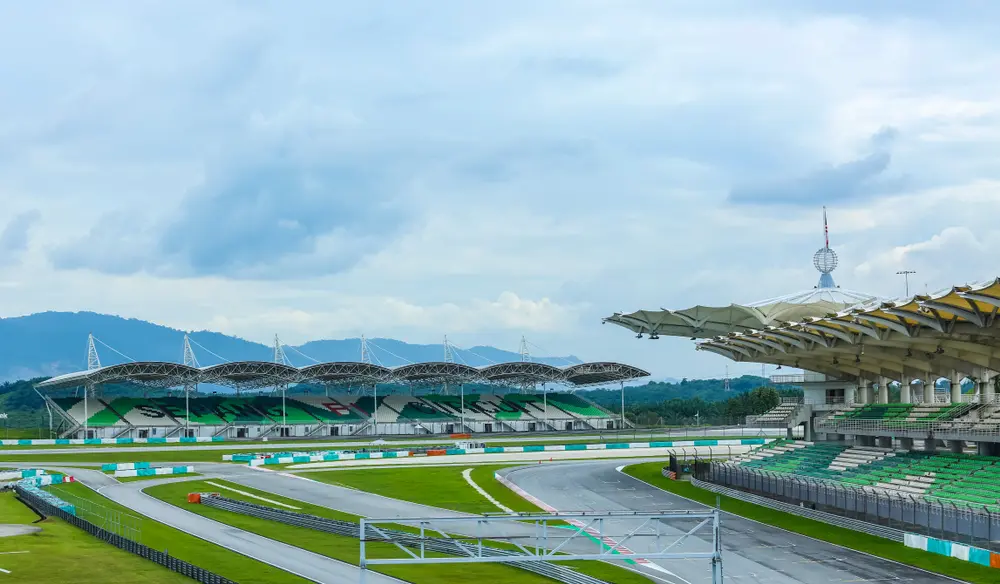
Formula 1 returns to Malaysia from 2 to 4 October 2026. Sepang International Circuit hosts the Formula 1 Gulf Air Bahrain Grand Prix, Malaysia’s first F1 race since 2017.
The track is in Sepang, not the city. But race week is already spilling into central KL.
Formula 1 and the FIA confirmed the move on 26 July, after the Middle East conflict pushed the Bahrain race off its April date.
Bahrain keeps the title and funds the event, so Malaysia isn’t paying the usual hosting fee.
Lights out is on Sunday, 4 October, at 3pm Malaysia time. Meanwhile, MyKad holders could buy three-day general admission passes from RM200.
The spillover could still be big. Analysts quoted by the New Straits Times put potential economic activity at up to RM1.3 billion, across hotels, F&B, transport and retail.
Hotels near the circuit, for example, were fully booked within hours of the announcement.
In the city, meanwhile, the Malaysian Association of Hotels’ KL chapter said bookings were filling up, though at an uneven pace.
Race week inside the Golden Triangle
Race week has also landed in the malls. The Exchange TRX is running a “Lights Out Kuala Lumpur” F1 pop-up until 4 October.
Over at KLCC, Plaza PETRONAS hosts a Mercedes-AMG PETRONAS F1 car display and racing simulator from 1 to 4 October, after a Twin Towers light show on 30 September.
China’s Golden Week holidays also fall in the same week, so expect Bukit Bintang to feel extra busy.
Should F1 week change your property plans?
Short answer: tak payah rush. A three-day race doesn’t change a building’s long-term rent.
Instead, race week shows how much event demand the Golden Triangle can absorb, and which buildings sit closest to that flow.
Also, don’t bank on a sequel. One industry figure quoted by The Star called a permanent F1 return “very remote”, given the hosting costs.
F1 week lasts three days. Your home loan can last 35 years.
Event buzz fades fast. Your purchase price, the unit’s real rent and the building’s rules stay. An IQI agent can pull recent transacted prices and rental comps for KLCC, Bukit Bintang and TRX first. Free, and no pressure.
Or browse now: subsale homes and new launches.
What Makes KL City Center, Bukit Bintang and TRX Different?
Each corner of the Kuala Lumpur Golden Triangle pulls a different crowd. That matters when you decide what to buy and who you’ll rent to.
KLCC: the landmark and business anchor
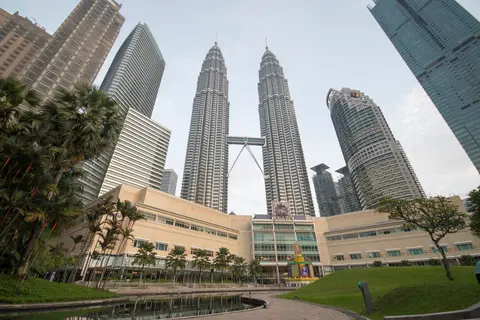
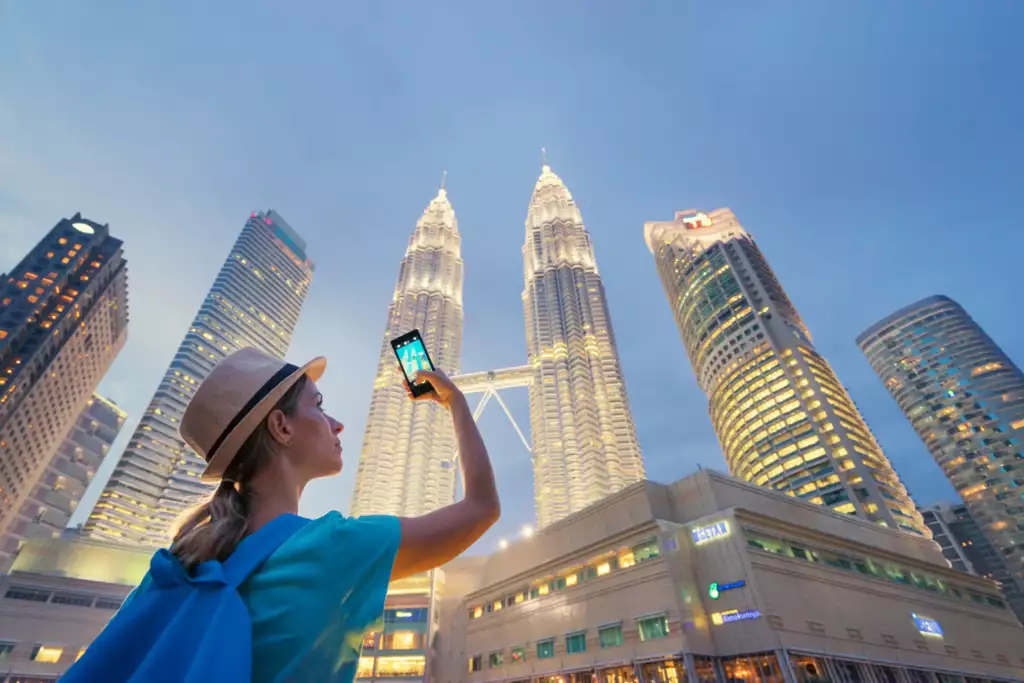
KLCC combines the PETRONAS Twin Towers, Suria KLCC, KLCC Park and the Kuala Lumpur Convention Centre with Grade A offices and five-star hotels.
So it pulls holidaymakers and business travellers at the same time.
The mall numbers also look solid. KLCCP Stapled Group’s retail segment, led by Suria KLCC, held 98% occupancy in Q1 2026, with footfall up 13% year-on-year.
Then, in Q2, retail revenue rose 4.2% to RM143.7 million as eight new tenants moved in, including three flagship stores.
Just remember that footfall counts locals too, so it’s commercial context rather than proof of tourist-only demand.
Bukit Bintang: shopping, makan and nightlife
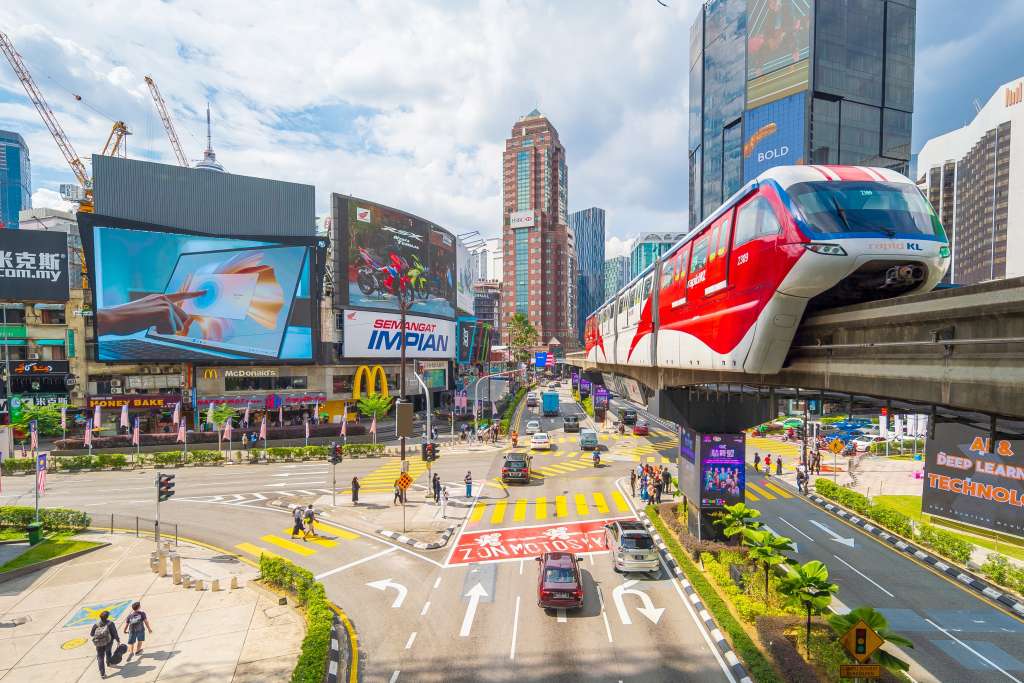
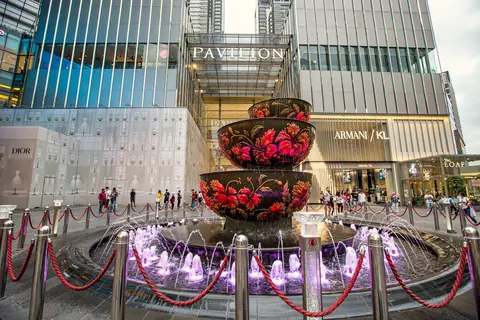
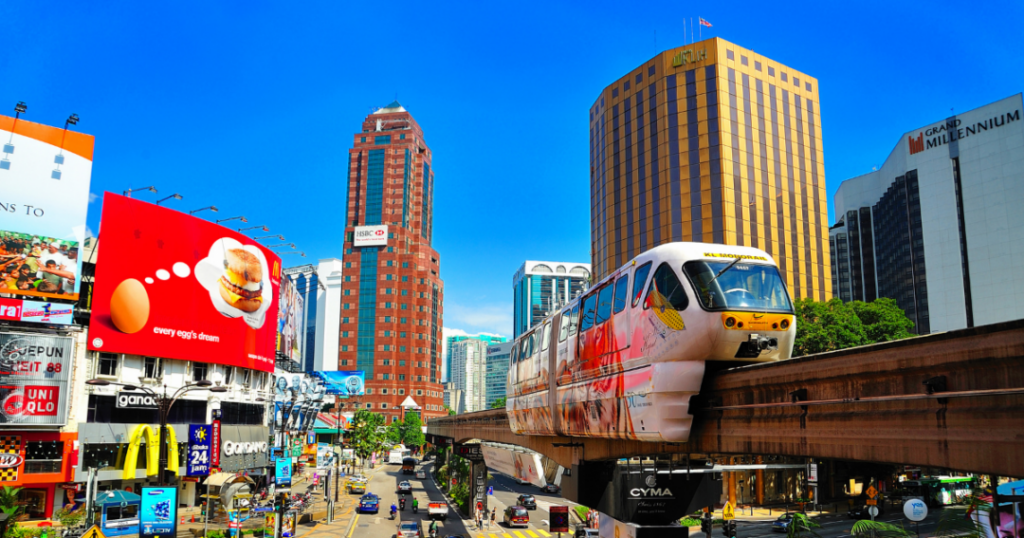
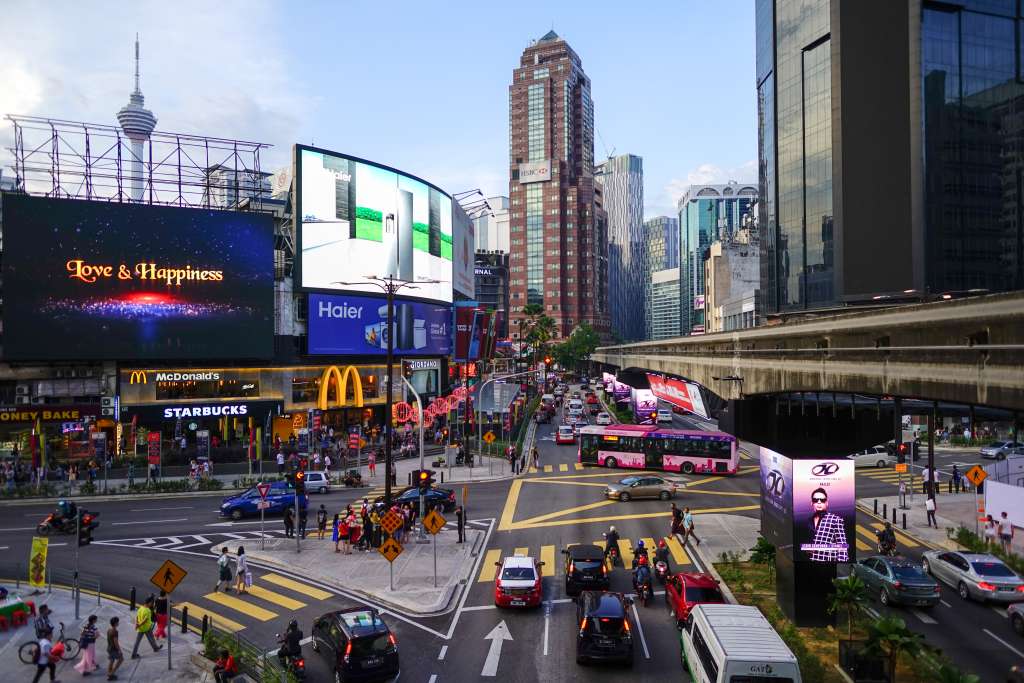
Bukit Bintang is KL’s most visible shopping and leisure strip. Pavilion Kuala Lumpur, Lot 10 and Sungei Wang sit a short walk from Jalan Alor.
Add bars, hawker stalls and budget-to-atas hotels, and you get a full day out. Bring your shopping kaki.
In fact, Tourism Malaysia counts Bukit Bintang and KLCC among its premier shopping zones.
In September 2026, it also lined up an Autumn Music and Cultural Festival with Sungei Wang Plaza.
The flip side? Bukit Bintang also has plenty of serviced residences chasing the same short-stay guests. Location alone won’t make your unit stand out.
TRX: the newer financial and lifestyle quarter
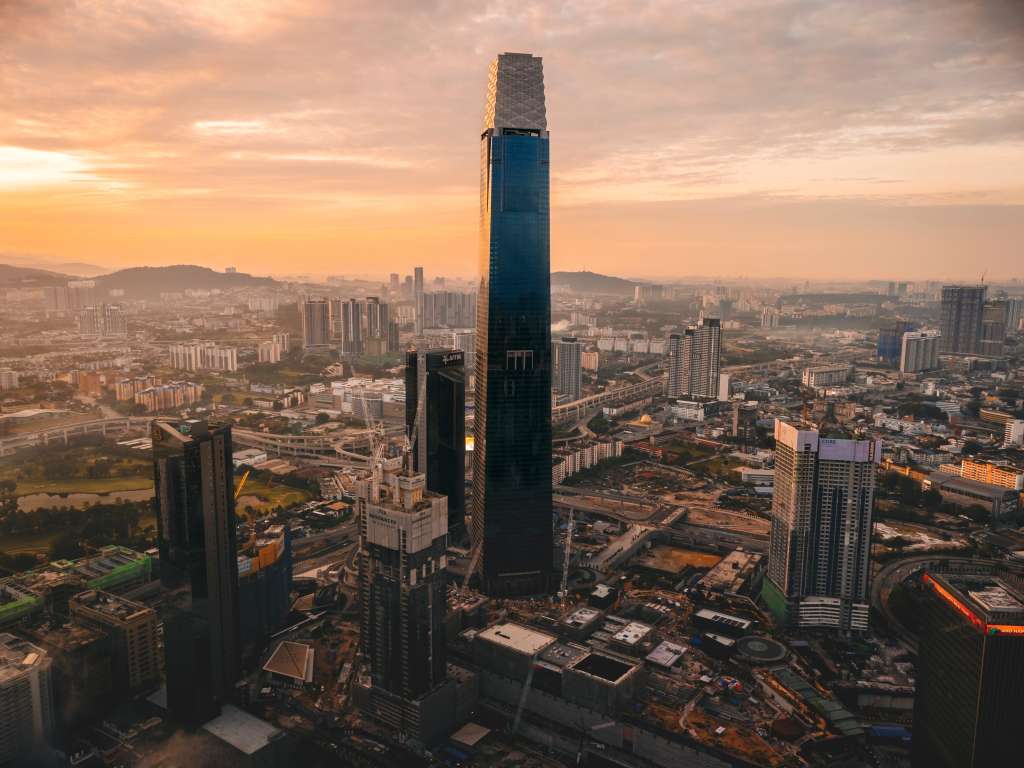
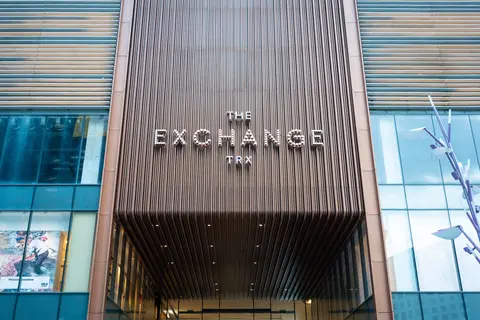
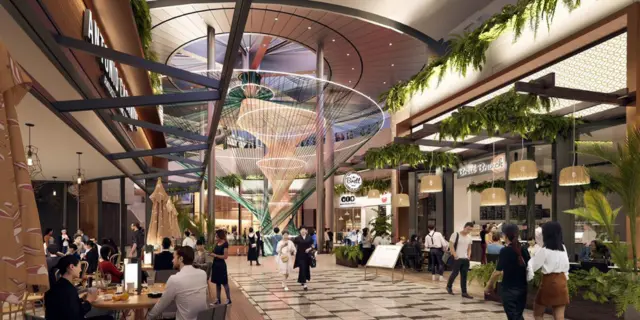
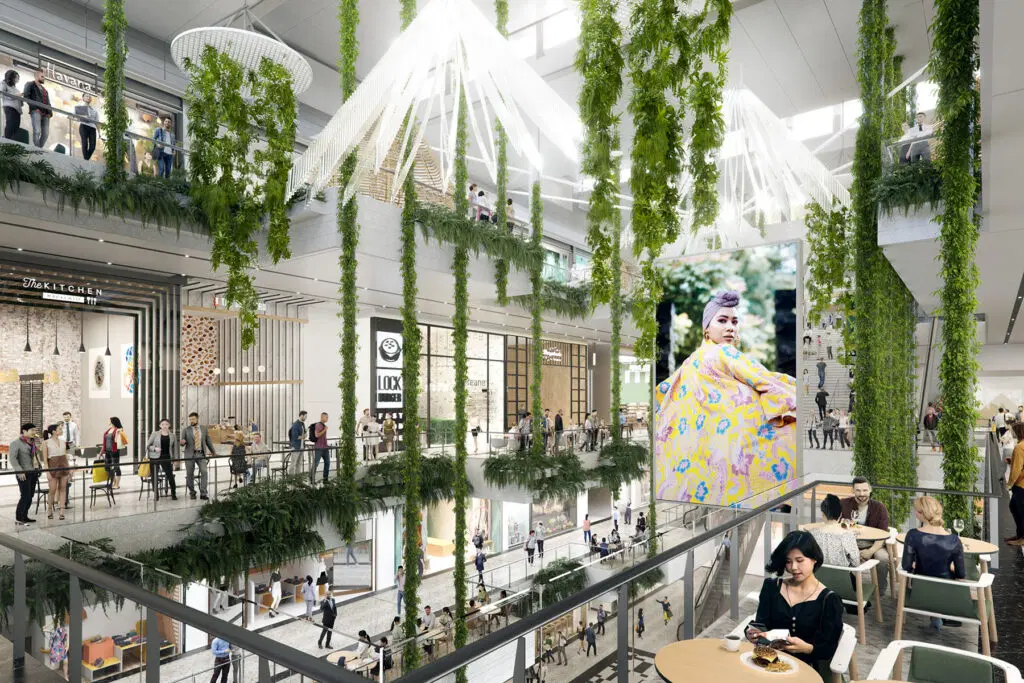
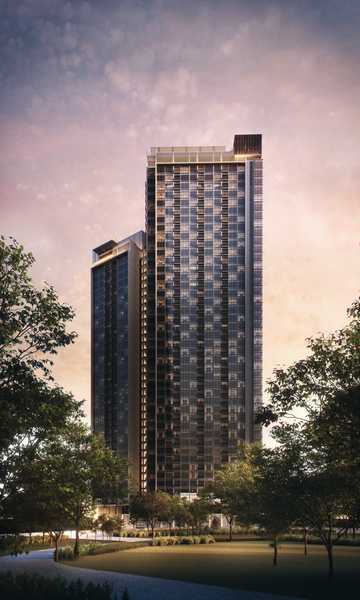
The Tun Razak Exchange (TRX) is a 70-acre district billed as Malaysia’s international financial centre.
It mixes Grade A offices, The Exchange TRX mall, residences, TRX City Park and KL’s only MRT interchange.
Momentum is strong. TRX City said on 1 September 2026 that more than 85% of its office supply is committed.
Menara Ethos, its 10th building, will also add about 808,000 sq ft of offices, with main construction due to start in December 2026.
About 30,000 people already work in the district, according to TRX City. So that’s a steady weekday crowd for cafés, gyms and nearby rentals.
Office momentum, though, is not the same as residential returns.
How Well Connected Is the Golden Triangle?
Very. Its real strength is how easily people move between the three areas, on foot and by rail, without touching a car.
A covered, air-conditioned walkway of about 1.7 km links KLCC and Bukit Bintang, according to the Kuala Lumpur Convention Centre.
So you can walk from Suria KLCC to Pavilion without melting in the heat or getting stuck in the jam.
Rail coverage is dense too:
- KLCC LRT station on the Kelana Jaya Line
- Persiaran KLCC and Conlay MRT stations on the Putrajaya Line
- Bukit Bintang MRT station on the Kajang Line, plus the Bukit Bintang monorail stop
- The Tun Razak Exchange MRT interchange, where the Kajang and Putrajaya Lines meet
Why should investors care? Because easy movement stretches visitor dwell time and widens each mall’s catchment, meaning the crowd that can realistically walk in.
It also makes car-free living realistic for tenants.
That doesn’t automatically mean higher prices. But walkability is a rental feature, not just a tourist perk.
Where Does the DE Rantau Digital Nomad Visa Fit In?
Malaysia’s DE Rantau Nomad Pass, run by the Malaysia Digital Economy Corporation (MDEC), lets eligible foreign remote workers live here for 3 to 12 months.
The pass can then be renewed for another 12 months. So for the Golden Triangle, it brings a tenant who stays for months, not nights.
Here are the basics, based on MDEC’s official FAQ and the government’s digital services portal:
| DE Rantau Nomad Pass | Details (as of September 2026) |
|---|---|
| Run by | MDEC, with the Immigration Department of Malaysia |
| Pass type | Professional Visit Pass (Pas Lawatan Ikhtisas) |
| Length of stay | 3 to 12 months, renewable for another 12 months |
| Income, tech and digital roles | Above USD 24,000 a year |
| Income, non-tech roles | Above USD 60,000 a year |
| Who qualifies | Remote employees of non-Malaysian companies, or digital freelancers with qualifying contracts |
| MDEC fee | RM1,000 per main applicant and RM500 per dependant, plus SST and Immigration pass fees |
| Processing time | About 4 to 8 weeks |
The non-tech category opened in June 2024, covering roles such as founders, finance managers and legal counsel.
Fees and rules do change, though, so check MDEC’s DE Rantau page before applying.
What do digital nomads look for in a rental?
Mostly, they want furnished units near an MRT station, with fast Wi-Fi, a proper work desk and strong aircond.
A fancy lobby matters less than a reliable internet line.
The programme also points pass holders to “nomad-ready” living and working spaces, called DE Rantau Hubs. For owners, that’s a clear hint of what this tenant expects.
Keep it in proportion, though. Nomads are one tenant segment, and Mont Kiara and Bangsar South compete for them too.
For the national view, see how VM2026, DE Rantau and short-term rentals are reshaping property investment.
If you’re an expat looking for a detailed guide on the DE Rantau application process, check out this video review from an expat who went through it step-by-step:
- APPROVED! 🇲🇾 12-Month Digital Nomad Visa for Malaysia + NEXT STEPS, De Rantau: https://youtu.be/c0sgWKe_3NY?si=rcqbnOfci838Twf7
*The Video will be at the bottem of this post
Please note that both videos are from three years ago, so be sure to check the official government website for the latest updates. As a real estate agency, we love sharing helpful tips, but we aren’t qualified to provide official visa or immigration advice.
What Could VM2026 Mean for Property in the Kuala Lumpur Golden Triangle?
Higher visitor activity does not automatically lift property values. Instead, it can strengthen demand drivers for selected property types.
Those include hotels, serviced residences, furnished rentals, retail and some offices. Still, how much one unit benefits depends on its price, nearby supply, building rules and management.
At IQI, we’ve tried to size the opportunity.
In January 2026, Juwai IQI Co-Founder and Group CEO Kashif Ansari estimated that VM2026 “could channel roughly RM22 billion directly into property-related activity”.
He based that on government data showing accommodation takes about 18% of tourism spending, and on the earlier 43 million target.
The estimate spans hotels, serviced apartments and short-term rentals. However, it is not a forecast of your rental yield.
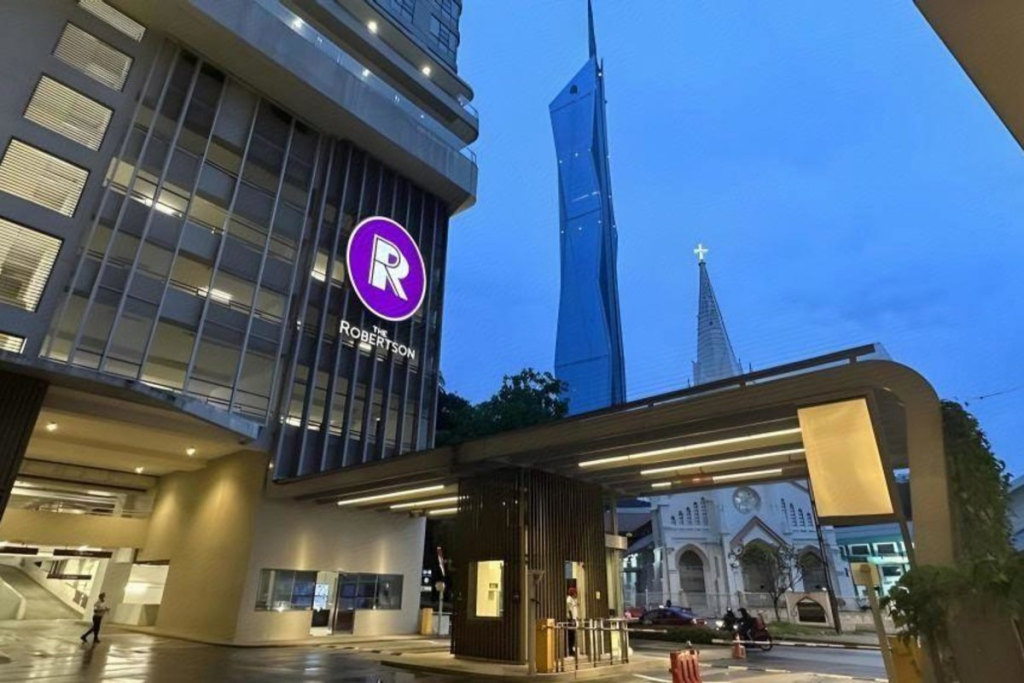
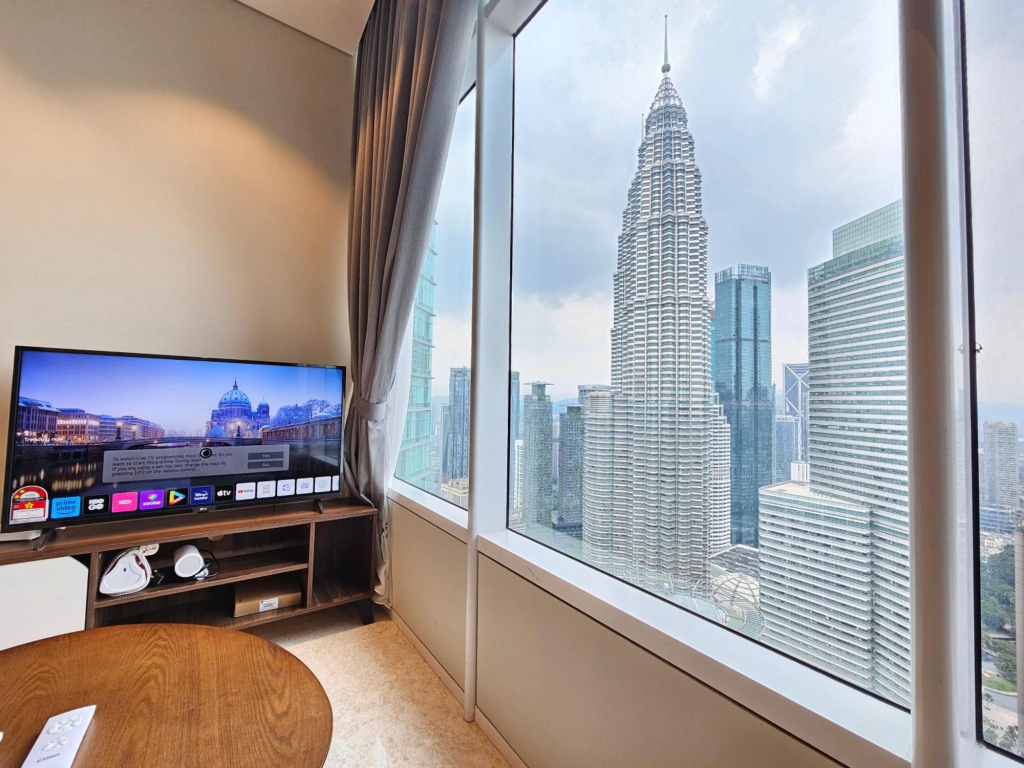
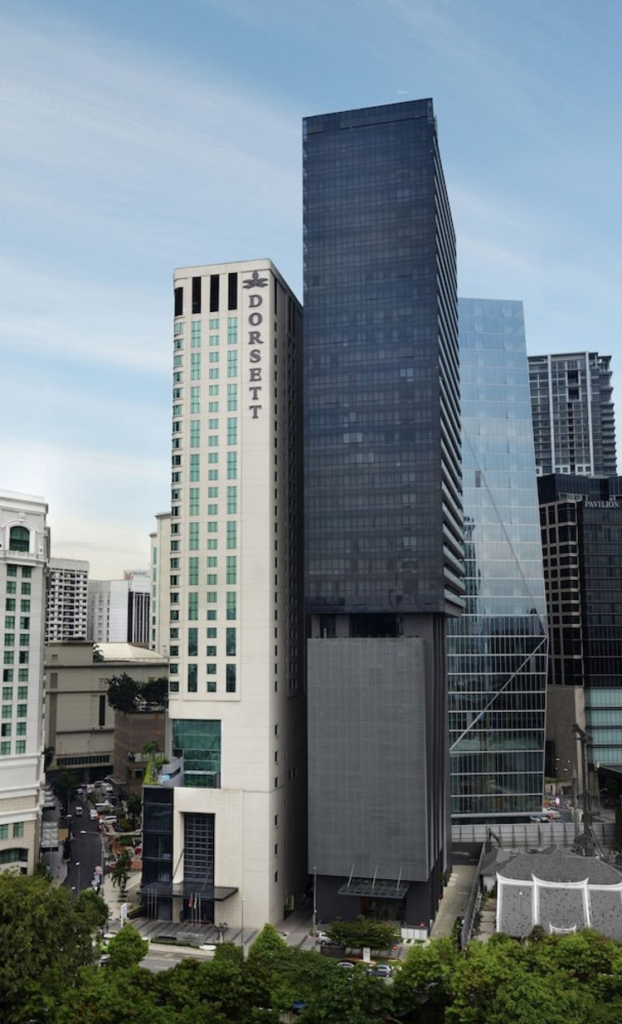
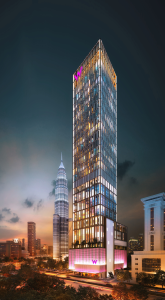
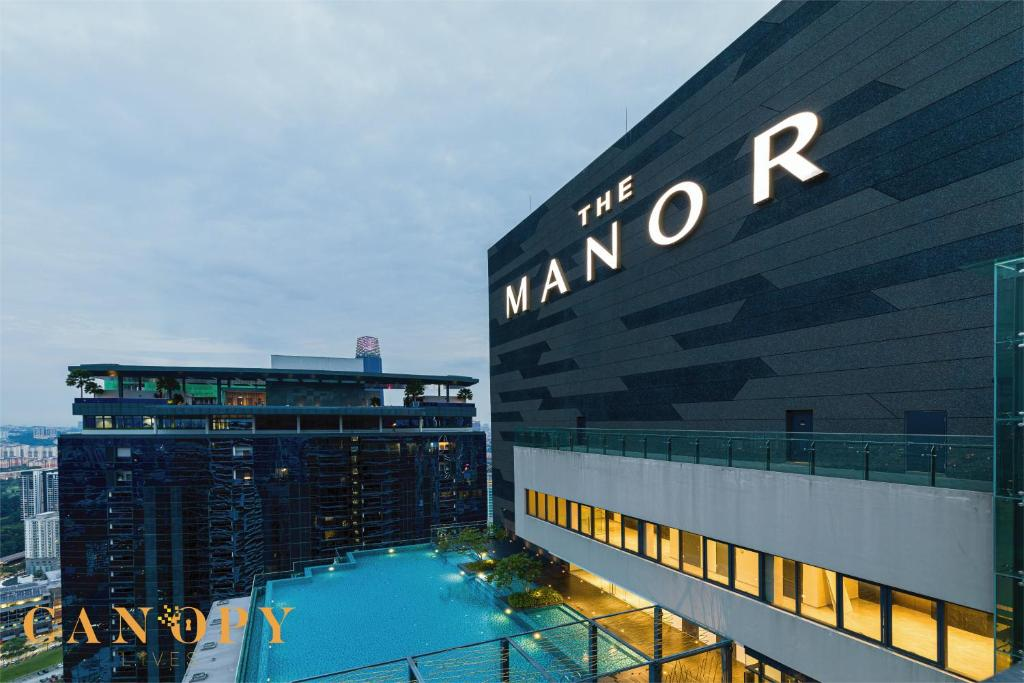
So what does that demand look like on the ground? Below are some in-demand Airbnb stays and hotel rooms in the Kuala Lumpur Golden Triangle.
Use them as a benchmark for what visitors book, and for the competition any new short-stay unit will face.
Serviced residences and rentals: short, mid or long stay?
The same unit can chase very different tenants. So choose your lane before you buy, because each one needs a different set-up.
| Stay type | Typical guest | What wins | What to watch |
|---|---|---|---|
| Short stay (a few nights) | Tourists, F1 and concert crowds, weekend shoppers | Location, photos, reviews, smooth check-in | Building short-stay rules, seasonality, platform and cleaning fees |
| Mid stay (1 to 12 months) | DE Rantau nomads, project staff, relocating professionals | Furnishing, Wi-Fi, work desk, MRT access | Empty weeks between tenants, wear on furnishings |
| Long stay (12 months or more) | Office workers, couples, expat families | Price, commute, parking, maintenance | Lower headline rent, tenant screening |
Thinking of going the Airbnb route? First, check the rules in our guide to starting a short-term rental in Malaysia.
Hotels and business events
Hotels feel VM2026 and events like F1 most directly. Business travel also adds a second engine.
According to DOSM, health and MICE services (meetings, incentives, conventions and exhibitions) made up 13.1% of tourism value added in 2025.
Still, it’s not all smooth sailing. In May, Kenanga Research cautioned that Middle East tensions and pricier flights could dampen VM2026 tailwinds.
Retail, F&B and offices
Tourist footfall helps shops and restaurants, but prime rents and operating costs are high.
In fact, a unit on the main walking route and one tucked round the corner can perform very differently.
Offices are a different game. TRX and KLCC office demand comes from companies, banks and regional hubs, while business visitors simply add to the weekday crowd.
Buying in the Kuala Lumpur Golden Triangle? Check the monthly repayment first
Golden Triangle prices can climb fast, so run your numbers before any viewing. Plug a realistic price, margin of finance and tenure into the calculator below.
Estimates for guidance only. Actual figures depend on the bank’s assessment, current rates, and your full financial profile.
Then add the one-off costs. Our property transaction fees calculator helps you estimate what you’ll pay on top of the price.
What Does the Property Data Say About Central KL in 2026?
The latest official numbers point to a steady but selective KL market. More deals are closing, but their total value is down.
Meanwhile, prices are inching up and rents vary a lot by building. Here’s what the National Property Information Centre (NAPIC) reported for H1 2026:
| Kuala Lumpur indicator | H1 2026 | Change vs H1 2025 |
|---|---|---|
| All property transactions | 10,772 | Up 4.2% |
| Total transaction value | RM14.90 billion | Down 8.7% |
| Residential transactions | 6,618, worth RM6.11 billion | Up 2.4% in volume, up 2.3% in value |
| New residential launches | 1,610 units, 334 sold | 20.7% sales rate |
| Average KL house price (Q2 2026, preliminary) | RM825,282 | Up from RM803,500; KL House Price Index up 2.7% |
Rents show the same pick-and-choose pattern. For example, NAPIC’s H1 2026 rental data has 1 Persiaran KLCC @ Quadro Residence at RM8,000 to RM8,500 a month.
That’s up 6.06%, for a gross yield of 4.9%. One building is not the market. Still, it shows prime KLCC stock has takers at the top end.
Supply is the other side of the coin. KL had 4,181 unsold completed serviced apartments at the end of Q1 2026, as our NAPIC Q1 2026 analysis shows.
So check what’s unsold near any building you’re eyeing.
For resale trends, see our look at KL subsale prices breaking RM1 million in Q1 2026.
The verdict on central KL in 2026? Steady lah, but selective.
Will the Golden Triangle Still Matter After VM2026?
Yes, if you judge the Kuala Lumpur Golden Triangle on what stays after the banners come down.
Campaigns and race weekends end. But rail lines, covered walkways, offices and malls don’t.
F1 datang, F1 pergi. The MRT stays.
Meanwhile, the campaign itself now runs to the end of 2027. TRX’s Menara Ethos moves into construction, and KLCC keeps adding flagship stores.
So think in two layers. Events bring short bursts of demand, while the long-term case rests on jobs, transport, retail depth and repeat visitors.
What Should You Check Before Buying in the Kuala Lumpur Golden Triangle?
Use this as your pre-viewing checklist. Buy the numbers, not the hype.
| Factor | What to check | Why it matters |
|---|---|---|
| Entry price | Recent transacted price per sq ft, not just the asking price | High demand won’t fix overpaying |
| Tenant type | Short, mid or long stay, and who actually rents there | Different buildings suit different tenants |
| Building rules | JMB or MC by-laws on short-term stays | Some buildings restrict Airbnb-style stays |
| Supply | Unsold units and upcoming launches nearby | More supply means more competition for tenants |
| Monthly costs | Maintenance fee, sinking fund, utility tariffs | They eat into your net yield every month |
| Management quality | Lifts, security, cleanliness, repair speed | Tenants notice, and online reviews show it |
| Transport | Walking time to MRT or LRT, covered links | Car-free tenants pay for convenience |
| Exit liquidity | How often units in the building change hands | Matters when you want to sell |
| Foreign buyer rules | State consent, minimum price thresholds, stamp duty | Non-citizens face extra costs and limits |
| Financing | Loan eligibility, margin of finance, debt service ratio (DSR) | Your cash flow must survive quiet months |
Want to go deeper? Read up on condo management fees and the real cost of buying a house in Malaysia.
Buying from overseas? Then see how MM2H compares for international buyers.
So, Does the Kuala Lumpur Golden Triangle Matter More in 2026?
Yes. VM2026 and F1 week shine a brighter light on the part of KL where tourism, retail, business, hotels and transport already overlap.
But its property story should be judged on long-term fundamentals, not one campaign or one race weekend.
The Golden Triangle rewards homework, not hype.
Buying your first city unit or adding to a portfolio? An IQI agent shortlists units that fit your budget, compares transacted prices and rental comps, and checks building rules before you sign.
IQI is one of Malaysia’s largest property networks, with 30,000+ professionals across 20+ countries.
Speak to a local IQI agent before you decide.
Disclaimer: This article is for general information only, not financial, legal, tax or investment advice. We checked the figures and rules quoted on 30 September 2026, but they can change. Estimates, including IQI’s own, are not guarantees of returns. So before you act, confirm the latest regulations and requirements with the relevant government authority and a qualified professional. We share this guide to help you make an informed decision. IQI Global does not endorse the brands or events mentioned and is not liable for decisions based on this article.
Frequently Asked Questions
What is the Kuala Lumpur Golden Triangle?
It is Kuala Lumpur’s main commercial, shopping and tourism zone, generally centred on KLCC and Bukit Bintang, with TRX increasingly seen as part of it. Boundaries vary between planning, tourism and property sources, so it works best as a descriptive label, not an official map.
Which areas are part of the Kuala Lumpur Golden Triangle?
KLCC and Bukit Bintang form the established core. KLCC brings the PETRONAS Twin Towers, Suria KLCC and the convention centre, while Bukit Bintang brings the big malls, Jalan Alor and nightlife. TRX, next to Bukit Bintang, is increasingly linked to both.
Why does the Kuala Lumpur Golden Triangle matter to Visit Malaysia 2026?
It packs hotels, malls, food streets, attractions, business venues and rail links into one walkable area, so rising visitor numbers show up there fast. Retail made up 50.6% of tourism industries’ value added in 2025, and KL led all states in domestic tourism receipts.
How many international visitors did Malaysia receive in H1 2026?
Tourism Malaysia reported 21.2 million international visitor arrivals from January to June 2026, up 2.5% from 20.6 million a year earlier. Growth has been steady rather than explosive, partly because the Middle East conflict disrupted some flight routes.
Which property types could benefit most from tourism growth?
Hotels, serviced residences, furnished rentals, retail and some commercial property are more exposed to visitor and business activity than ordinary owner-occupied homes. Even so, results differ by building, so check transacted prices, supply, management fees and short-stay rules before buying.
*source from iqiglobal.com/blog/





Join The Discussion